
Calibration

Calibration

Which measuring instruments on board need to be calibrated?

This mainly affects instruments that are relevant to safety or operation, for example:


Instrument type Function / significance
Navigation instruments Gyroscopes, compasses, GPS receivers
Pressure gauges Pressure gauges for hydraulics, steam boilers, fuel
Temperature sensors Engine, boiler, and bearing temperature
Electrical measuring devices Voltmeters, ammeters, insulation testers
Flow meters Measurement of fuel, water, oil
Sound level meters For monitoring noise and vibration levels
Humidity gauges and barometers For climate control and weather observation
Calibration devices/reference standards Are calibrated regularly to ensure traceability

and much more

To ensure reliable,

accurate, and reproducible measurements, which are essential for navigation, safety, ship operations, and legal requirements, it is particularly important to calibrate the measuring instruments used on board a ship. The harsh and changing environmental conditions at sea can cause measuring instruments to drift more quickly or lose their accuracy. Regular calibration ensures that all measurements correspond to the actual physical quantities and that no critical decisions are made based on incorrect measurements.

Technical basis and practice

Calibration should be carried out in accordance with recognized standards and guidelines.
In most cases, the calibration intervals are not precisely specified by law but must be determined on a company-specific basis as part of the risk assessment.
Calibration is carried out by comparison with reference standards or calibrators and is documented (calibration certificate, test sticker).

What do we offer?

We can offer calibration for a wide range of measuring instruments. This can be carried out either on board or after the instruments have been sent to us. Our advantage is that we work with partners and calibration laboratories almost all over the world. This means that wherever your ship is sailing, we already have a partner or will find one.

Just ask us!
Product Inquiry

M

Address:
TX Marine Messsysteme GmbH
Sandkamp 18
25368 Kiebitzreihe
Germany

Contact:
Tel: + 49 4121 491 6890
Fax: + 49 4121 463 4874
Mail: sales@txmarine.com

Service Enquiries:
Mail: service@txmarine.com

GDPR consent
Ultrasonic thickness measurement (UTM)

Ultrasonic thickness measurement (UTM)

Using state-of-the-art methods, we carry out comprehensive ultrasonic testing to ensure the structural integrity of your vessels or specific annual maintenance work, such as scrubber tailpipe testing to comply with regulations. From hull to deck, we carefully inspect every area to identify potential weaknesses early and plan repairs.

Our global network is constantly growing in this area.
Successful partnerships with inspectors with various class certificates and certificate levels in the countries/areas are already available:

EUROPE
ASIA
AUSTRALIA
USA

Underwater Drone Inspection

Underwater Drone Inspection

BAR_Logo
TXMarine_Logo
atnc_logo

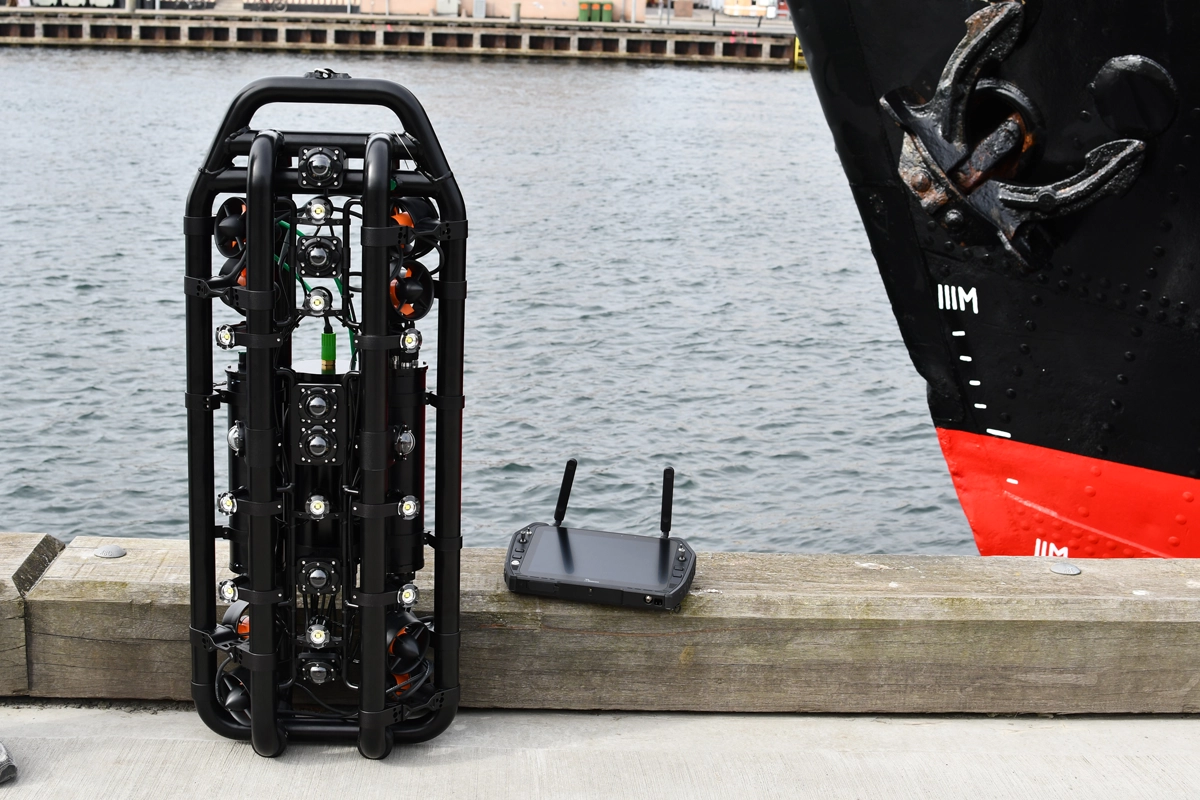
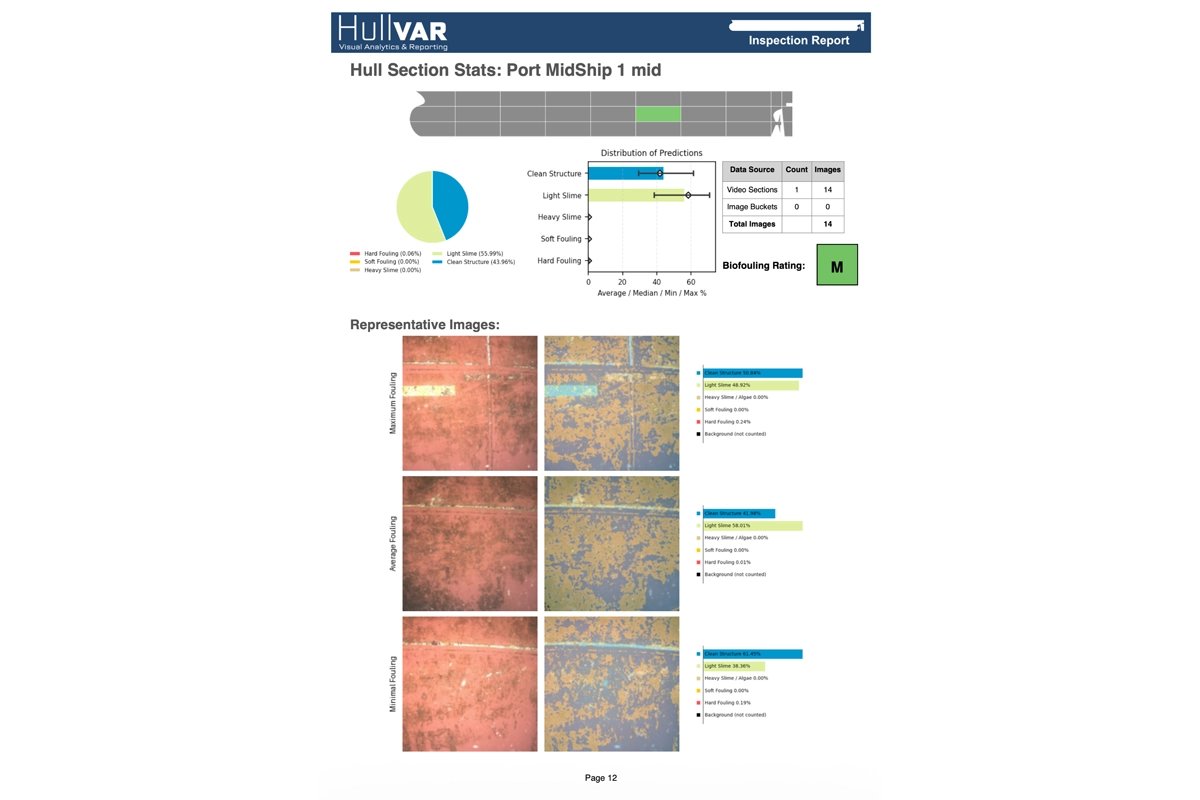
TX Marine Messsysteme is expanding its portfolio with a practical underwater inspection concept based on ROV technology for ship hulls and other maritime assets. At its core is a data-driven assessment of marine growth and biofouling, enabling smarter maintenance strategies, targeted cleaning, and measurable fuel savings by reducing hull roughness and drag.

Using high‑resolution ROV imaging and AI‑powered biofouling analytics, the service quantifies hull condition, fouling coverage, type, and severity , supports hull roughness estimates, and turns raw inspection video into standardized, objective biofouling reports across ships, fleets, and time. This directly replaces inconsistent manual “light / medium / heavy” assessments and provides trustworthy biofouling data that technical managers can actually act on.

Repeatable underwater surveys provide operators with a solid basis for trend analysis, performance monitoring, coating evaluation, and pre-drydock or in-water inspections, along with clear decision points for cleaning, spot cleaning, or docking. Offered as a service rather than capital expenditure, TX Marine coordinates ROV operations, data processing, and reporting so shipowners can benefit from automated workflow at scale, regulatory‑ready reporting formats and a digital foundation for long‑term fleet analytics and fuel optimization

Core messages:

  • Underwater ROV inspection / underwater drone survey

  • AI‑powered biofouling detection and classification

  • Standardized hull condition and biofouling reporting

  • Smarter cleaning, predictive maintenance, fuel savings

  • Digital foundation for fleet‑wide hull performance analytics

  • Service model: no hardware investment, one‑stop coordination via TX Marine

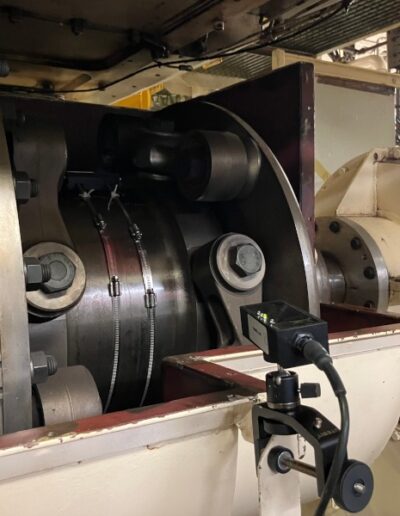
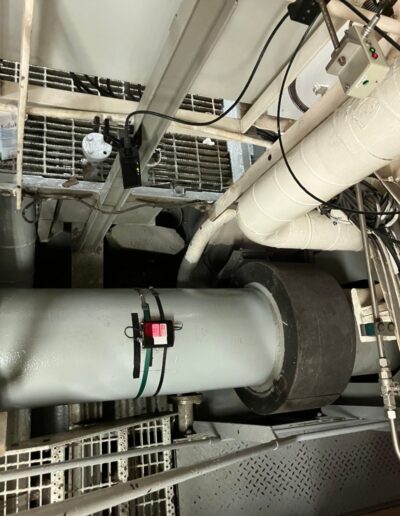
Portable shaft power measurements or speed/power trials

Portable shaft power measurements or speed/power trials

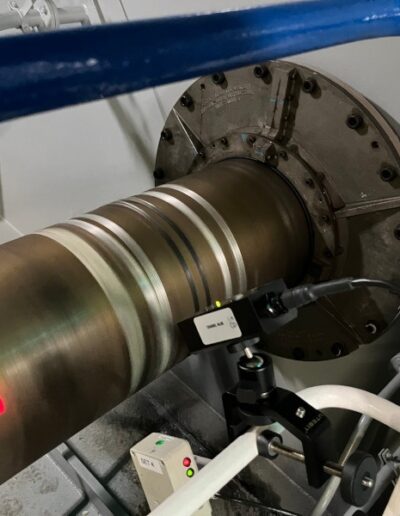
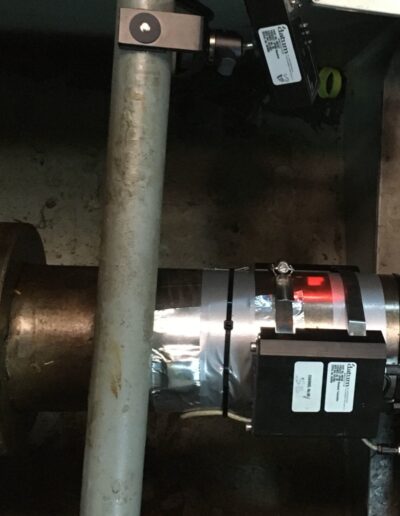
Speed- power trials play a vital role in ensuring the safety, efficiency, and compliance of ships, as well as facilitating informed decision-making. We can support with experienced engineers and calibrated measurement equipment to support you in the best way.

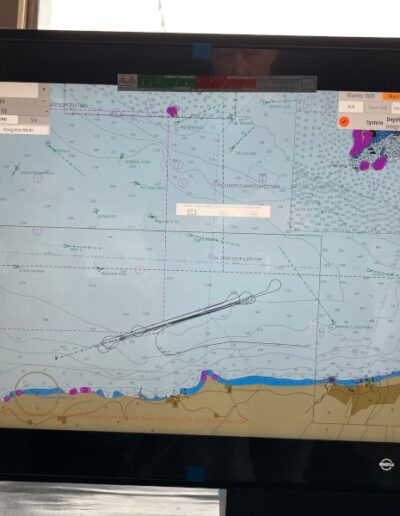
The speed/power ratio must be determined for the operational load condition under ideal test conditions (no wind, no swell, deep water, reference temperatures). For this purpose, we travel with the ship and record the data.
The speed/power tests are evaluated in strict compliance with ISO15016:2015 procedures for conducting and analyzing speed/power tests. This standard is approved and accepted by the IMO for EEDI verification.
Additional data can also be recorded and comprehensively analyzed as required.

WordPress Cookie Plugin by Real Cookie Banner